
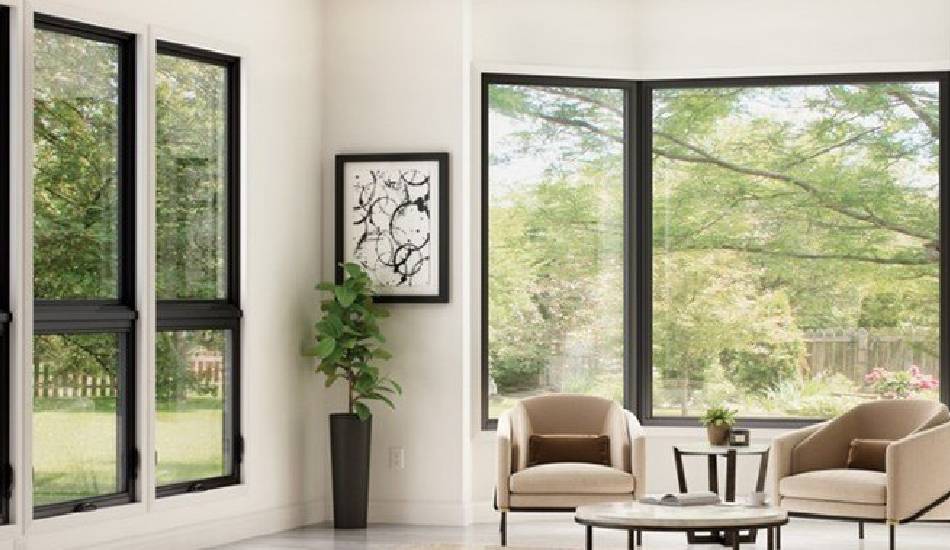
Replacing your home windows is one of the most impactful and rewarding home improvement projects you can undertake, offering significant benefits including improved energy efficiency, enhanced curb appeal, increased property value, and superior comfort throughout every season. Many homeowners delay window replacement due to uncertainty about the process, cost, or disruption involved, but with the right guidance and professional support, the experience can be straightforward, efficient, and highly rewarding. Old, damaged, or inefficient windows can be responsible for significant energy loss, uncomfortable drafts, excessive noise infiltration, and compromised security, making timely replacement a smart and practical investment for any homeowner. Understanding the complete window replacement process from initial assessment to final installation helps homeowners make informed decisions, set realistic expectations, and achieve the best possible results for their home improvement project.
The first and most important step in the window replacement process is conducting a thorough assessment of your existing windows to determine the extent of damage, inefficiency, or deterioration that requires attention. Homeowners should carefully inspect each window for common signs of failure including visible cracks or chips in the glass, damaged or rotting frames, difficulty opening and closing, condensation forming between glass panes, noticeable drafts or air leaks around the edges, and excessive outside noise penetrating the interior. This initial assessment helps determine whether full window replacement is necessary or whether repairs may be sufficient to restore functionality and efficiency. Consulting with a professional window replacement specialist at this stage provides valuable expert insight and ensures that the most appropriate and cost-effective solution is identified for each window in your home. Once the need for window replacement has been established, the next critical step is setting a realistic budget and selecting the right windows for your specific needs, preferences, and architectural style.
The market offers a wide variety of window types including single and double-hung windows, casement windows, sliding windows, bay and bow windows, and picture windows, each with distinct advantages in terms of functionality, aesthetics, and ventilation. Frame materials are equally important to consider, with popular options including vinyl, wood, aluminum, and fiberglass, each offering different levels of durability, maintenance requirements, and thermal performance. Energy-efficient glazing options such as double or triple-pane glass with Low-E coatings, argon gas fills, and warm edge spacers significantly improve insulation and reduce energy costs, making them a worthwhile investment for long-term savings and comfort. Accurate measurement is one of the most critical steps in the window replacement process, as even small errors can result in ill-fitting windows that allow air and water infiltration, compromise security, and require costly adjustments. Professional window installers use precise measuring techniques to capture the exact dimensions of each window opening, accounting for any irregularities in the surrounding structure that may affect the fit.
Measurements are typically taken at multiple points across the width and height of the opening to ensure accuracy, and the smallest measurement is used to guarantee a proper fit. Ordering custom-sized windows based on precise measurements ensures a seamless installation with minimal structural modification required, resulting in a cleaner finish and more reliable long-term performance for your new windows. With windows selected and measurements confirmed, the preparation and removal phase begins, which involves carefully preparing the work area and safely removing the existing windows without causing unnecessary damage to the surrounding structure. Professional installers protect interior floors and furnishings with drop cloths before beginning work and systematically remove window trim, stops, and sashes to access the window frame.
The old window unit is carefully extracted from the opening, and the surrounding structure is thoroughly inspected for signs of water damage, rot, mold, or insect infestation that must be repaired before the new window is installed. Any damaged wood, deteriorated insulation, or compromised structural elements identified during this inspection are addressed and repaired to ensure a solid, stable foundation for the new window installation. The installation phase is the most technically demanding part of the window replacement process and requires precision, expertise, and attention to detail to ensure a flawless result. The new window unit is carefully positioned in the prepared opening and checked for level, plumb, and square alignment before being permanently secured, as improper alignment can cause operational problems, air leaks, and premature wear over time. Professional installers use appropriate fasteners and shimming techniques to secure the window firmly in place while maintaining perfect alignment throughout the installation process. High-quality expanding foam insulation is applied around the perimeter of the window frame to eliminate air gaps and prevent drafts, followed by a bead of weatherproof exterior caulk that creates a watertight seal and protects against moisture infiltration from rain and wind.